
Posted By: solarnext
Posted Date: Jan 12, 2026
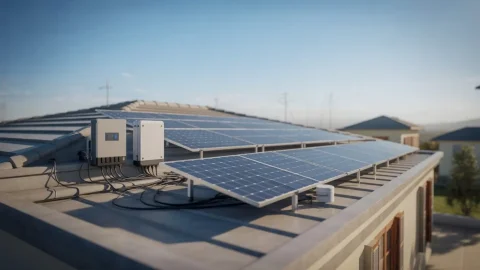
A solar system without battery is now the most common way people adopt solar energy for homes, offices, and factories. You see it across Residential solar solutuion streets and commercial rooftops. Power flows directly from solar panels to your appliances. Extra power moves to the grid electricity. This setup feels simple. It feels practical. For many homeowners, it delivers real energy cost savings without complexity.
The solar industry prefers this approach because it uses mature solar technologies. It reduces equipment needs. It shortens payback time. According to the International Energy Agency, grid-connected solar adoption grows faster than storage-based systems. You get clean solar power. You avoid high upfront costs. That balance explains its growing popularity, especially in cities where grid availability is stable and daytime usage is high.
A solar system without battery is also known as a grid-tied solar system or on-grid solar system. Your solar panels absorb solar radiation. and depending on the Solar panel options in Pakistan, the solar cells convert sunlight into solar electricity with varying efficiency. Solar inverters then change it into usable current that your home or business uses instantly. Nothing is stored.
When your system produces more power than you need, energy flows back to the grid. At night, power comes from the grid. This grid-connected solar system works like a live exchange. It acts as a direct grid solar system. You stay connected. You stay efficient. You avoid expensive battery storage, which is why this model is often evaluated first, whether someone is installing high-wattage solar panels for larger loads or a small solar panel for home use in urban and semi-urban areas.
Net metering makes a solar power system without a battery financially smart. Your utility tracks how much energy you export and consume, which is especially beneficial when using a Small solar panel for home use. Credits appear on your electricity bill, allowing homeowners to earn value from daytime solar production and use those savings later when electricity demand is higher.
An experienced engineer explains it best. By shifting most of my power use to daytime hours and relying on high-efficiency solar panels, my monthly electricity costs were reduced by over fifty percent.”. With a solar energy system without storage, power flows smoothly. Utilities require a valid zip code for billing accuracy. Policies vary slightly by distribution company. If you’re based in the capital region, understanding how this works locally can be helpful. Homeowners exploring a Solar system in Islamabad often focus on net metering approvals and roof orientation before finalizing system size.
The cost of a battery-free solar system stays lower than hybrid solutions. Pricing depends on system size, roof type, and solar equipment quality. Labor and permits matter. Still, skipping battery storage saves a large amount upfront, which shortens the payback period.
However, limitations exist. During outages, grid-tied systems shut down. Safety rules require it. You gain savings. You lose backup power. An energy advisor often recommends starting without batteries, then planning storage later if outages are frequent. This approach is commonly discussed by residents considering a Solar system in Rawalpindi, where electricity costs and load patterns vary by neighborhood.
|
System Type |
Cost Level |
Maintenance |
|
Grid-Tied Without Battery |
Lower |
Low |
|
Hybrid With Battery |
Higher |
Medium |
A solar system without battery performs best when daytime usage is high. Homes running a heat pump, hot water systems, or charging an electric vehicle benefit most. Power flows straight from panels to appliances. Losses stay minimal.
Factories and offices prefer this setup. Work hours match sunlight. A solar panel system offsets peak demand. This alignment improves solar savings and reduces pressure on grid electricity during busy hours, which is especially relevant in Commercial solution zones.
The biggest advantage is simplicity. Fewer components. Less maintenance. Faster installation. Solar companies often recommend this option for first-time buyers because it is easier to understand and manage over time.
Another benefit is increased home value. Properties with home solar attract more buyers. People understand grid-tied systems. They see predictable returns. They trust proven solar technology, especially in regions where grid access remains reliable throughout the year.
Residential systems dominate the solar industry. A typical home system supports lighting, cooling, appliances, and electric vehicles. Daily consumption aligns well with sunlight, which maximizes self-use.
One homeowner shared this experience. “Thanks to smart energy habits, using electricity during the day, and efficient solar panels, my electricity bill has been cut by over 50%.”. Similar outcomes are often reported by families evaluating a solar system in Peshawar, where long sunny hours support strong daytime production.
Commercial rooftops offer scale. Large areas. Strong sunlight exposure. A solar system without a battery fits perfectly. Offices use power when the sun shines, which improves direct consumption.
Warehouses benefit too. Lighting. Machinery. Climate control. A grid-connected solar system cuts operating costs and strengthens sustainability branding. Businesses in industrial zones, including those researching a solar system in Wah Cantt, often prioritize this model for predictable energy planning.
Net metering rules vary by utility provider. Export rates differ. Billing cycles change. Credits may roll over monthly depending on policy.
An energy advisor helps simplify these details. Policy awareness improves planning. A qualified solar installer always checks local regulations before design approval. That step protects long-term returns and avoids delays.
Installation cost depends on location, roof structure, and sunlight levels. Urban labor costs more. Open rooftops reduce expenses. Areas with high solar radiation need fewer panels, which improves cost efficiency.
|
Area Type |
Cost Trend |
Sun Exposure |
|
Urban |
Higher |
Moderate |
|
Semi-Urban |
Medium |
High |
|
Rural |
Lower |
High |
If you’re in a developing zone with expanding housing, understanding these factors locally matters. Homeowners reviewing a solar system in Taxila often compare roof space and transformer capacity before installation.
A grid-connected solar system focuses on savings. Hybrid systems focus on backup power. Each serves a different goal. The budget usually decides.
Most people start with a solar system without battery. Later, they add storage. This phased approach spreads cost and reduces upfront risk while keeping future options open.
Efficiency matters more without storage. High-quality solar panel design improves output. Orientation matters. Tilt matters. Shade control matters.
Building design helps too. Thermal mass and thermal energy influence comfort. Efficient homes use less power. That improves overall system performance and payback.
During outages, grid-tied systems shut down automatically. This protects utility workers and prevents backfeeding. The rule applies everywhere.
Some people accept this tradeoff. Others plan upgrades. The solar system design allows future expansion. Planning early saves money later and avoids redesign costs.
Daytime usage boosts returns. Run laundry. Charge an electric vehicle. Heat hot water during sunlight hours. Small habits matter.
Smart appliances help. Timers help. Awareness helps. A solar power system without battery rewards intentional energy use.
Battery prices continue to fall. Technology improves every year. Solar technologies evolve fast. Adding storage later feels practical now.
Many solar companies install battery-ready solar inverters. That foresight protects your investment. You stay flexible. You stay future-ready.
Utilities inspect installations. They approve grid connections. They install bidirectional meters. The process feels formal but necessary.
Once approved, energy flows freely. Credits apply automatically. Your solar systems run quietly in the background. Clean power. Predictable savings. A real impact on climate change.
A solar system without a battery proves that simple solutions still win.
A solar system without battery offers clarity, savings, and smart design for modern homes. It suits grid-connected households that want clean energy without added complexity. If you are ready to move forward, our company provides professional installation services in Islamabad, Rawalpindi, Taxila, Peshawar, and Wah Cantt. Visit to explore reliable solutions, expert guidance, and trusted support that help you switch to solar with confidence and common sense.
1: What is a solar system without a battery?
A solar system without a battery is a grid-tied solar system where electricity from solar panels flows directly to your home or business. Excess power goes to the grid instead of being stored.
2: How does a solar system without a battery save on electricity costs?
It reduces your electricity bill by using daytime solar energy. Extra energy sent to the grid earns net metering credits, which offset power used at night or during high demand.
3: Can a solar system without a battery work during power outages?
No, a solar system without a battery shuts down during outages for safety. It works efficiently when the grid is active, but does not provide backup power.
Relevant Blogs
Posted Date: Jan 12, 2026
Posted Date: Jan 13, 2026
Posted Date: Jan 13, 2026
Posted Date: Jan 13, 2026
Posted Date: Jan 13, 2026
Posted Date: Jul 03, 2026
Posted Date: Jul 03, 2026
Want To Chat? Feel Free To
Contact Our Team.
If you have anything in mind just contact our expert.